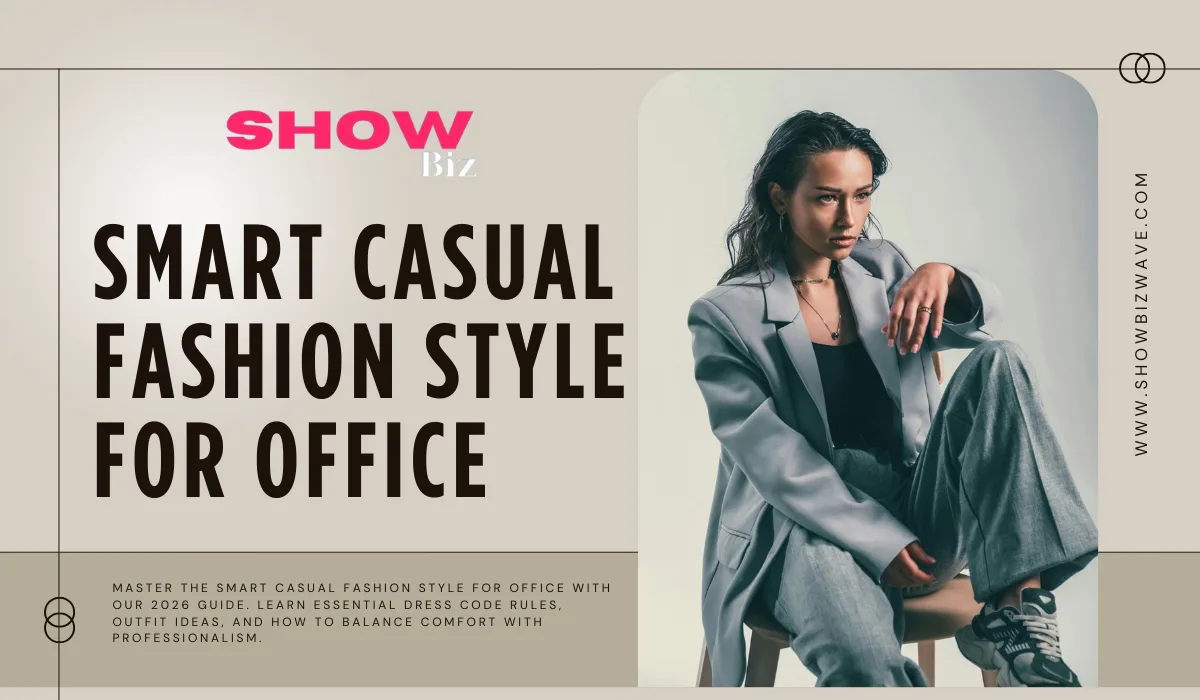
Walking into a high-stakes meeting shouldn't feel like a choice between a stiff, suffocating suit and looking like you just rolled out of bed. We’ve all been there—standing before a mirror, questioning if "clean sneakers" are a career-ending move or a modern power play. In my years of consulting for corporate styling, I’ve seen how the right outfit acts as a "silent resume." The Smart Casual Fashion Style For Office is no longer just a trend; it is the definitive 2026 standard for leadership. It’s about feeling as good as you look, allowing your competence to take center stage without the distraction of physical discomfort.
What is Smart Casual Fashion Style For Office?
Smart casual fashion style for the office is a professional dress code that integrates formal business silhouettes with premium casual essentials. It is defined by the combination of structured "anchors"—such as tailored blazers or silk blouses—with relaxed pieces like dark-wash denim or high-gauge knitwear. The goal is a polished, "client-ready" appearance that prioritizes agility and modern textile comfort.
Historically, this style emerged from the "Casual Friday" movement but has evolved into a year-round standard. In 2026, it specifically emphasizes "intentionality." Every piece must look planned, not accidental.
Why is Smart Casual Fashion Style For Office important right now?
The 2026 workplace has undergone a radical shift toward "Human-Centric Professionalism." With the rise of hybrid roles and temperature-controlled "smart offices," the heavy wool suits of the past have become impractical.
This style is important because it bridges the gap between digital presence and physical authority. On a 4K Zoom call, a structured smart-casual collar provides the necessary professional frame, while the flexible fabrics allow for the physical movement required in modern, agile office environments.
Key Benefits: Why Modern Professionals Choose It
The primary advantage is Thermodynamic Comfort. Modern smart casual utilizes 2026 textile tech—like moisture-wicking bamboo fibers and phase-change materials—that keep you cool during a commute and warm in a chilled boardroom.
Another feature is Psychological Empowerment. Studies show that when employees feel they can express their personal brand through their clothing, their "innovative output" increases. Smart casual provides the guardrails for professionalism while leaving room for personal identity.
Read also: Stay Warm, Look Good: 5 Simple Winter Outfits for Everyone!
The 70/30 Rule: How it Works
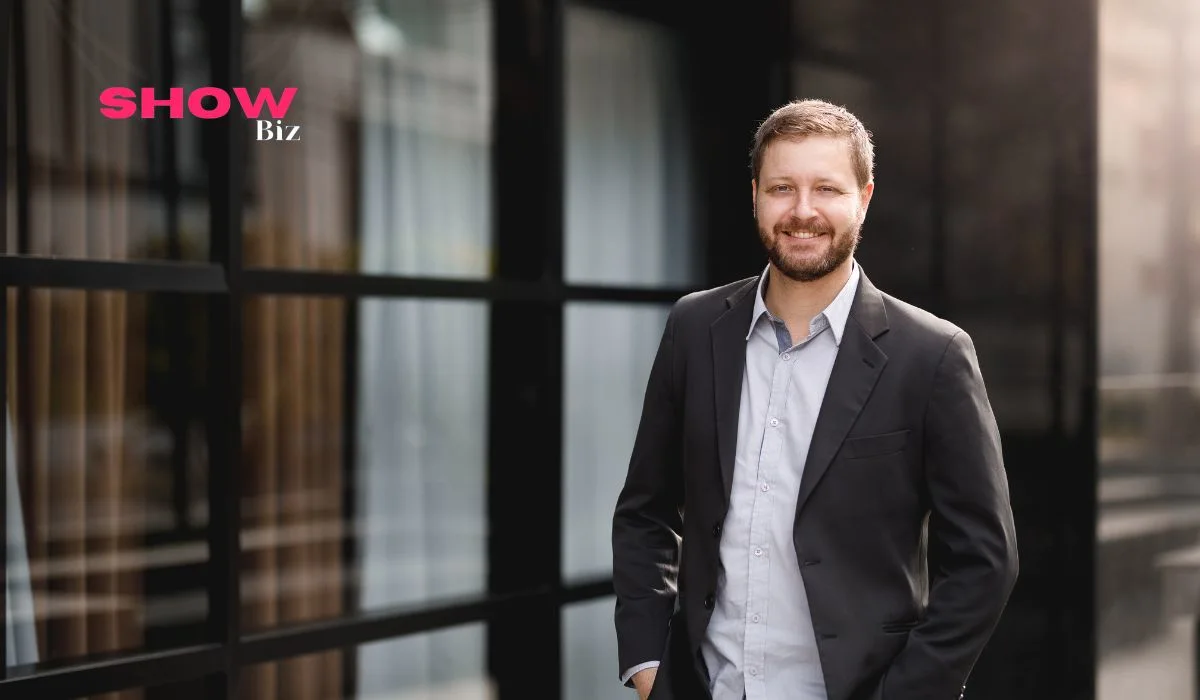
To master this style, I recommend my signature 70/30 Rule: 70% of your look should be "Smart" (structured, neutral, or traditional) and 30% should be "Casual" (textured, relaxed, or modern).
For example, if you wear a casual pair of chinos (30%), you must balance them with a crisp button-down and a structured blazer (70%). This ensures you never fall into the "sloppy" category. It helps by creating a visual hierarchy that signals authority while remaining approachable to your team.
Real-World Examples (2026 Edition)
For a smart casual fashion style for office woman, consider a monochromatic ensemble: charcoal wide-leg Tencel trousers, a black mock-neck silk knit, and pointed-toe leather loafers. This creates a vertical line that exudes "Executive Presence" without the stiffness of a blazer.
For a smart casual fashion style for office man, the "2026 Power Look" involves a navy unlined tech-blazer, a white pima-cotton polo, and olive tailored chinos. Finish with minimalist white leather sneakers—but only if they are pristine.
Common Mistakes: The "Sloppiness" Trap
The most frequent mistake is confusing "casual" with "well-worn." Ripped jeans, faded t-shirts, and scuffed athletic shoes are not smart casual. They are weekend-wear and can subtly erode your professional E-E-A-T (Expertise and Trustworthiness).
Another myth is that "baggy" equals "comfortable." In the professional world, oversized clothing often translates to "unprepared." Always prioritize a tapered fit. Your clothes should skim your body, not swamp it.
Expert Insights & 2026 Technical Facts
As a stylist, I look at the "GSM" (Grams per Square Meter) of fabrics. For smart casual, you want mid-weight fabrics (200-300 GSM) that hold their shape. Thin fabrics look cheap; heavy fabrics look formal.
Furthermore, the "Sustainability Signal" is a major 2026 trend. Wearing pieces made from recycled ocean plastics or lab-grown leather doesn't just look good—it tells your colleagues that you are an informed, globally-conscious professional.
Who Should Consider This?
This style is essential for anyone in "high-touch" roles like Project Management, Creative Direction, or Tech Leadership. It is also the perfect "safe bet" for interviewees who want to show they understand modern office culture.
If you are a manager, this style is your best tool for being "one of the team" while still maintaining the visual distinction of a leader. It removes the barrier of "the suit" and fosters open communication.
Read also: How To Style Old Hollywood Hair: Classic Glam Waves Guide
Pros and Cons
| Feature | Pros | Cons |
| Versatility | Works for office, dinner, and travel. | Requires more daily "styling" thought. |
| Cost | Lower dry-cleaning and tailoring fees. | High-quality basics can be an upfront investment. |
| Comfort | High mobility and temperature control. | Easier to "get wrong" than a standard suit. |
FAQs
What is the difference between business casual and smart casual?
Business casual is more traditional, often requiring slacks and dress shirts. Smart casual is more modern, allowing for dark denim, high-end t-shirts, and clean sneakers.
Can I wear a blazer with jeans to work?
Yes, this is the "Golden Standard" of smart casual. Ensure the jeans are dark-wash and the blazer is well-tailored.
Are loafers or sneakers better for the office?
Loafers are safer for high-level meetings. Minimalist leather sneakers are excellent for creative environments or daily desk work.
Final Verdict
The Smart Casual Fashion Style For Office is the ultimate expression of the 2026 professional. It rejects the idea that you must be uncomfortable to be taken seriously. By investing in high-quality fabrics, focusing on fit, and following the 70/30 rule, you create a wardrobe that works for you, not against you. You’ll find that when you look the part of a modern leader, the world starts treating you like one.
Other Articles